

 Monuments
Muhammad Mosque
 Muhammad Mosque

The oldest of the medieval monuments is the Muhammad Mosque.
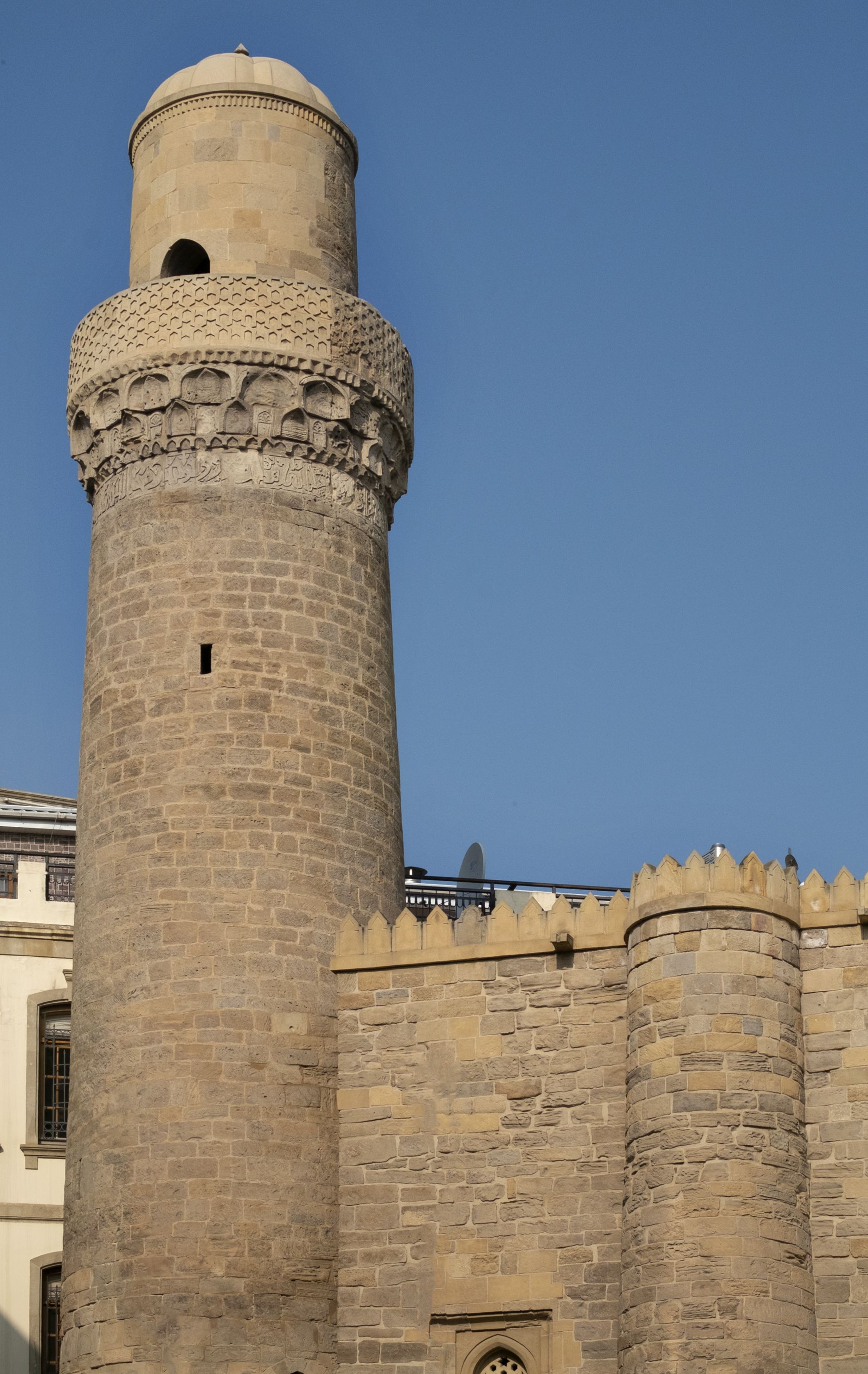
On the northern facade of the monument, to the left of the entrance door, an Arabic inscription states that the monument was built in 471 AH=1078/79 by the order of al-Ustad al-Rais Muhammad b. Abu Bakr.
The city ruler at that time was the chief. According to sources, during the Seljuk period (1038-1092), chiefs were appointed by the Central Divan from among the local nobility as representatives of the Sultan's authority. This position was one of the main positions in the Seljuk bureaucratic apparatus. Chiefs regulated city life, controlled the collection of taxes from artisans and peasants, income from trade transactions, markets, and the exchange of money in circulation. Chiefs actively participated in large trade and financial transactions, and were engaged in the construction of religious and public buildings in cities.
Chiefs were selected from the richest strata of the city's population. They played the role of a bridge between the government and the people. They often held various positions in the Shirvanshahs' circles, leading the struggles of craftsmen against the authorities. The title "Al-Ustad" proves that Muhammad headed the merchants' guild.
The Shirvanshah is not mentioned in the inscription. This once again confirms the information provided by the sources that the chiefs had great influence in society and played an important administrative role in the city's governance.