Monuments
Juma Mosque and Minaret
 Juma Mosque and Minaret

The Juma Mosque, or Jame complex, has been operating in the city since the 12th century.
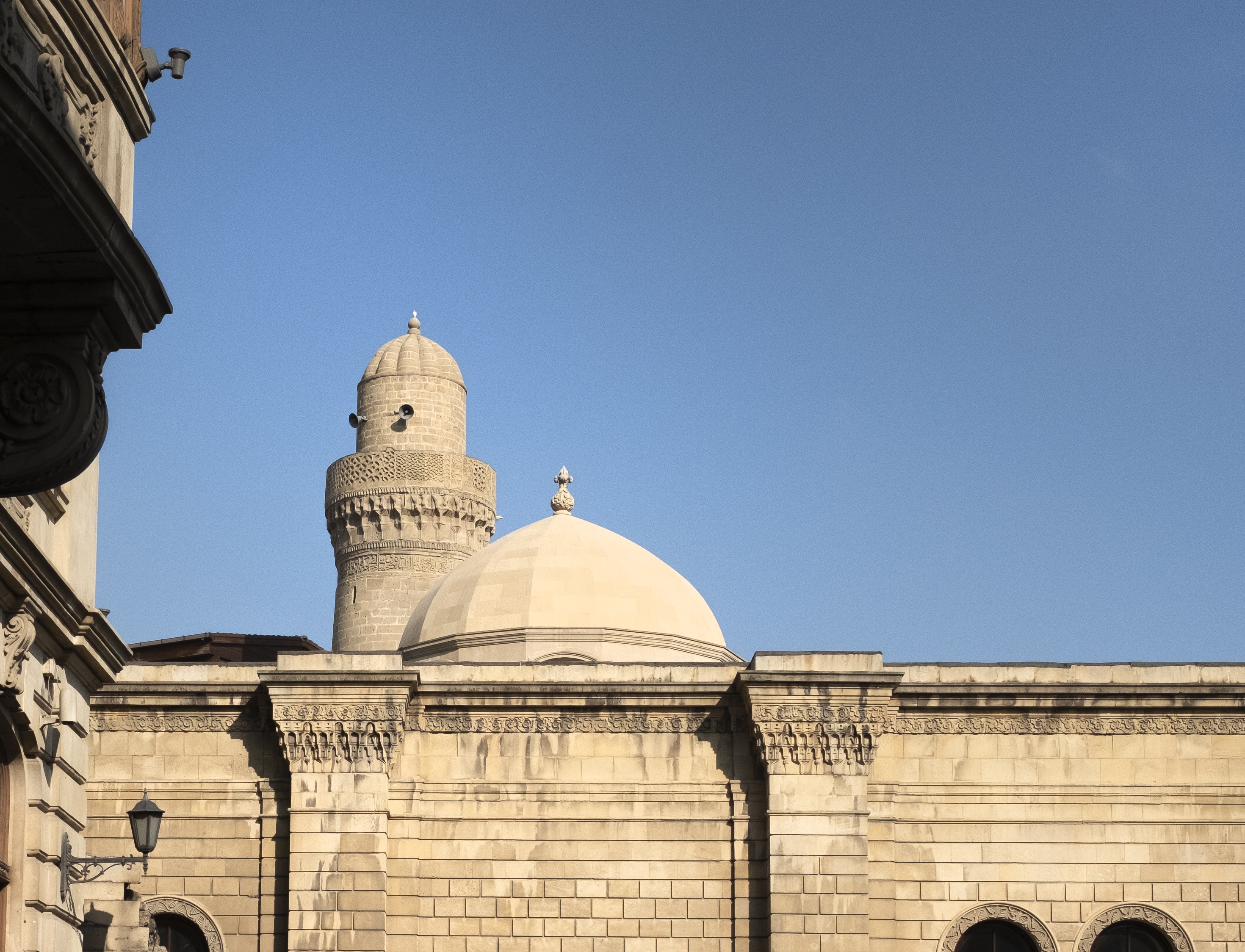
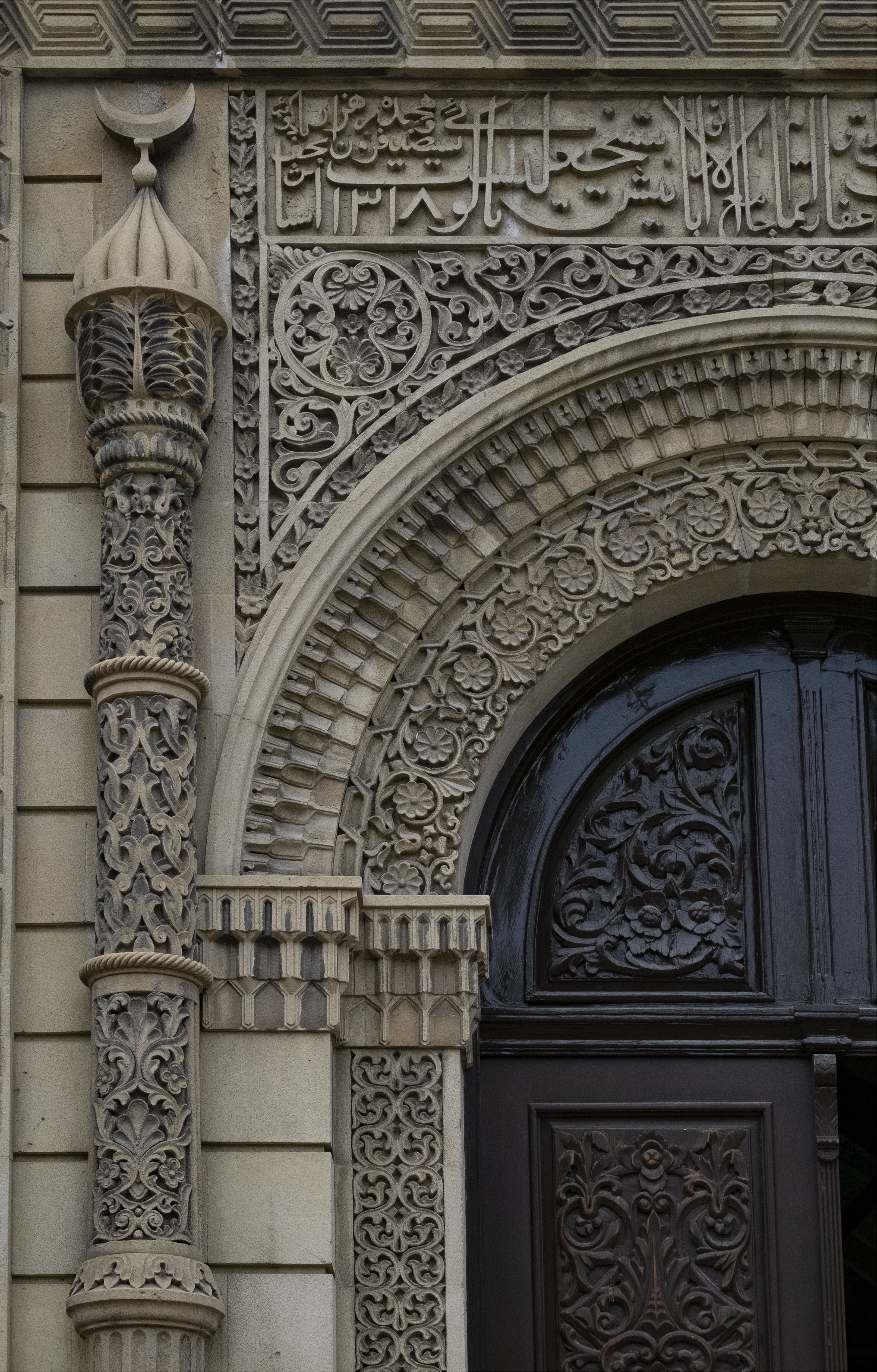
This mosque was built on a fire-worshiping shrine. The inscription above the door in the entrance section states that "In the month of Rajab 709 (= 1309 AD), Amir Sharaf ad-Din Mahmud ordered the renovation of this mosque." At the end of the 19th century and the beginning of the 20th century, a new one was built on the site of the old mosque with the funds of the millionaire-philanthropist Haji Shikhali Dadashov. The dome of the mosque was built on 4 columns built in the center, with a small diameter. The base of the building is hexagonal with obtuse angles. Architectural monuments with such a polygonal base are a style widely used in medieval Azerbaijani architecture. The facade of the monument consists of columns decorated with stone and wood. It is possible to enter the mosque through a carved, high door. The interior is designed in a modern style. The columns are decorated with tiles and rare examples of applied art, and the pastel-colored walls are inscribed with verses from the Quran in Arabic. The most sacred place of the mosque, the mihrab, which is a small niche in the wall, serves as a temple and, according to Muslim tradition, is oriented towards Mecca. In the 15th century, a minaret with a balcony was added to the northern wall of the mosque. The decrees of the medieval rulers Oljaitu Muhammad Khudabanda, Shah Tahmasib and Shah Abbas on the exemption of the population of Baku from taxes are engraved on the minaret.