Activity
Restoration and conservation works
Beylar Mosque

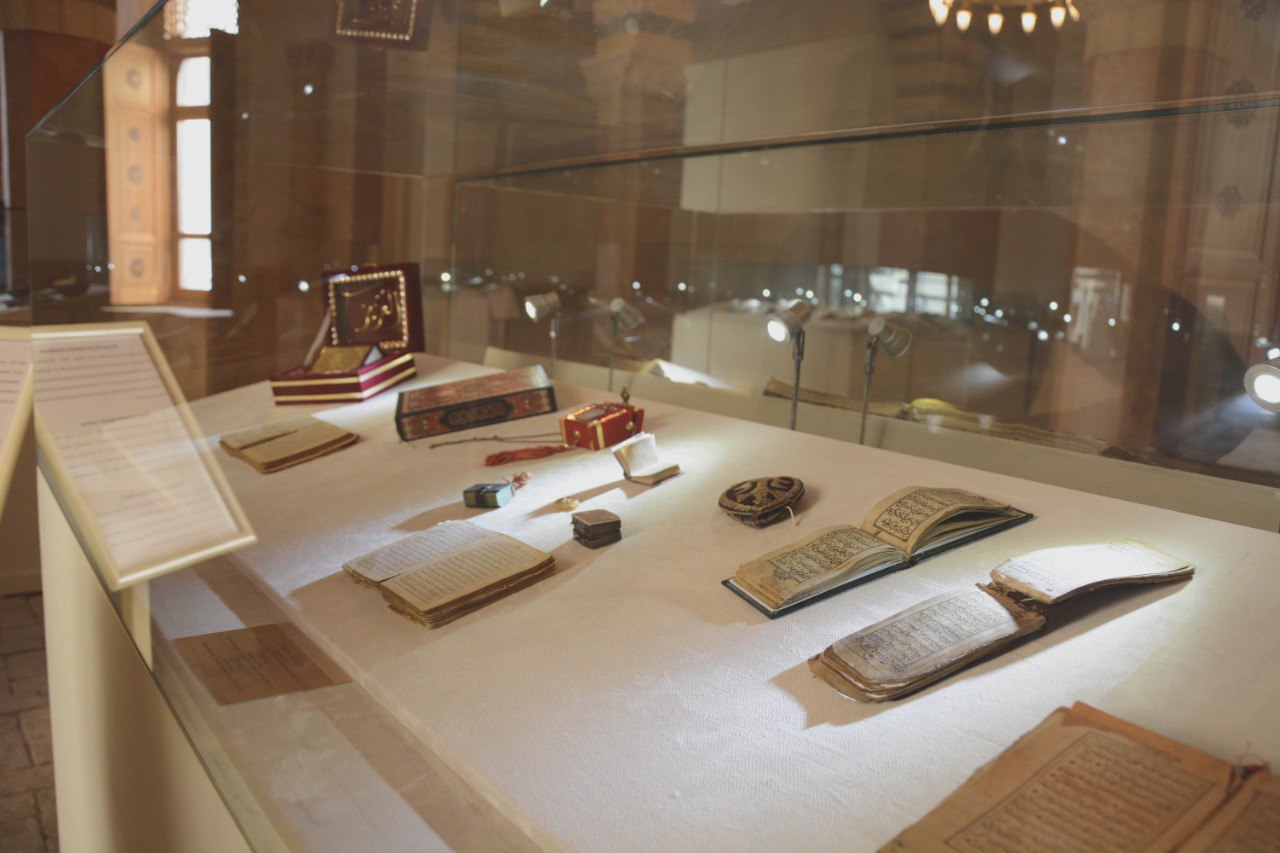
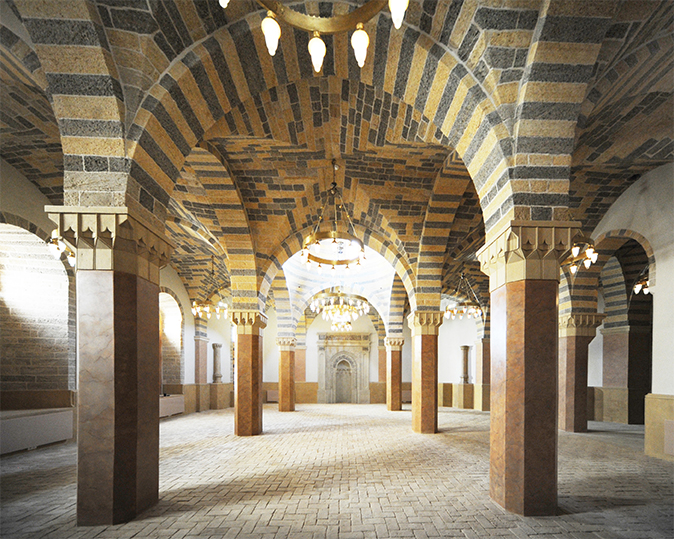
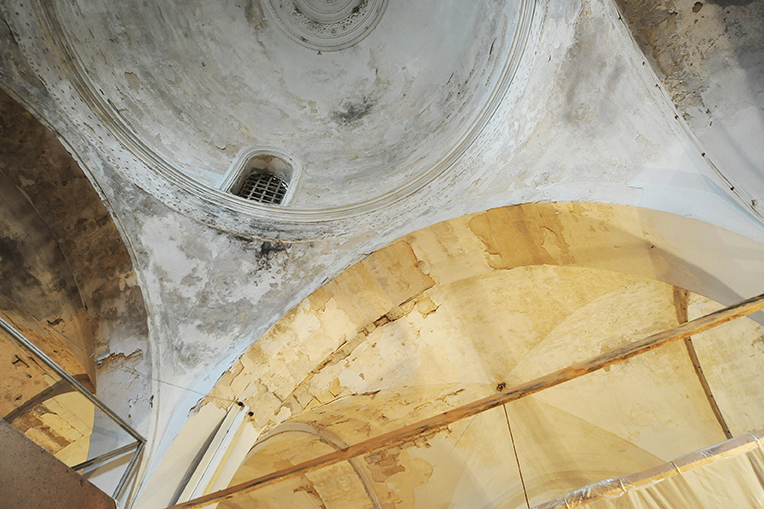
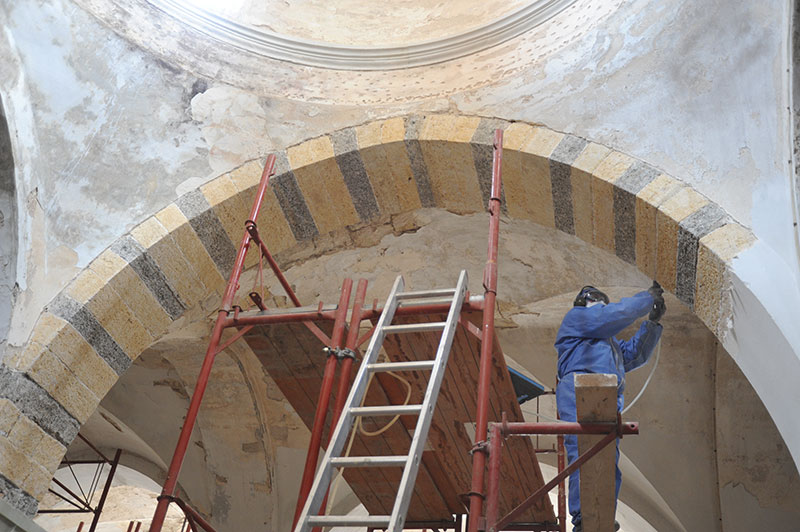
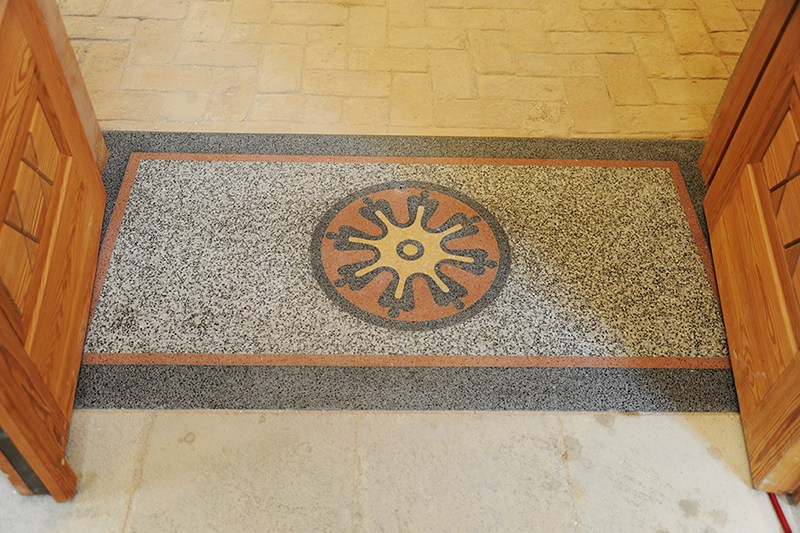
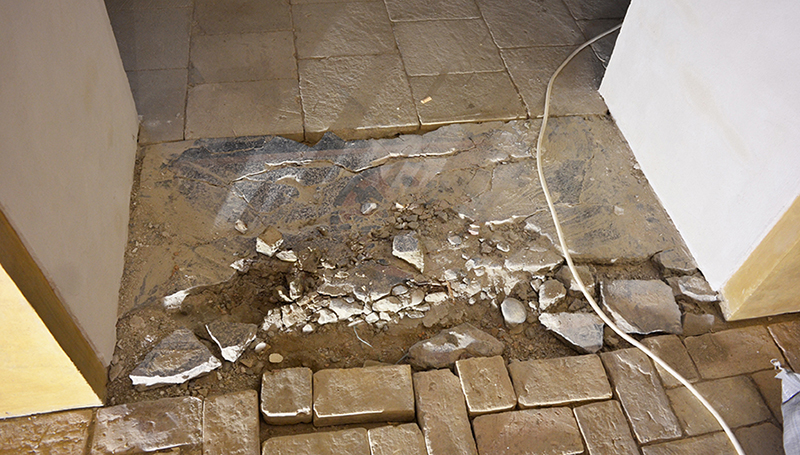
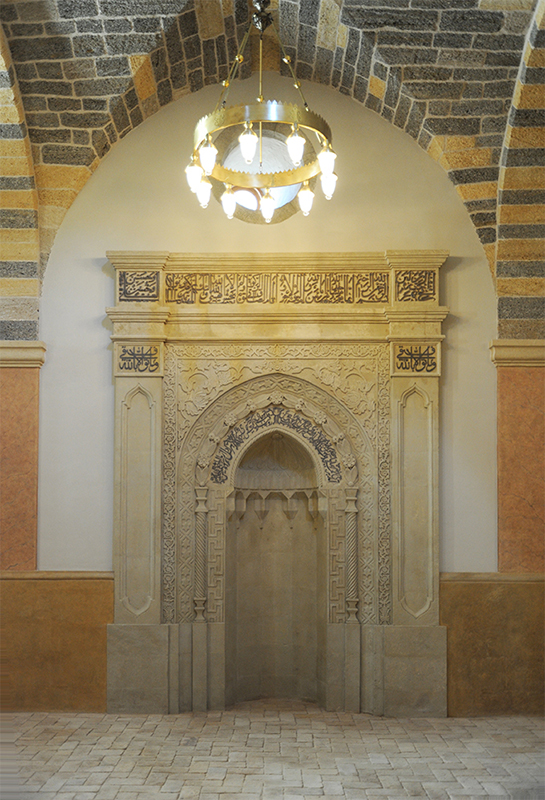
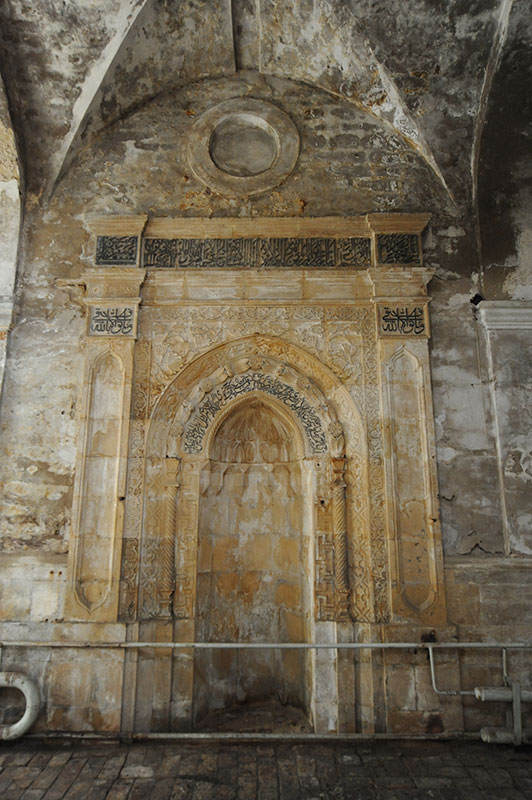
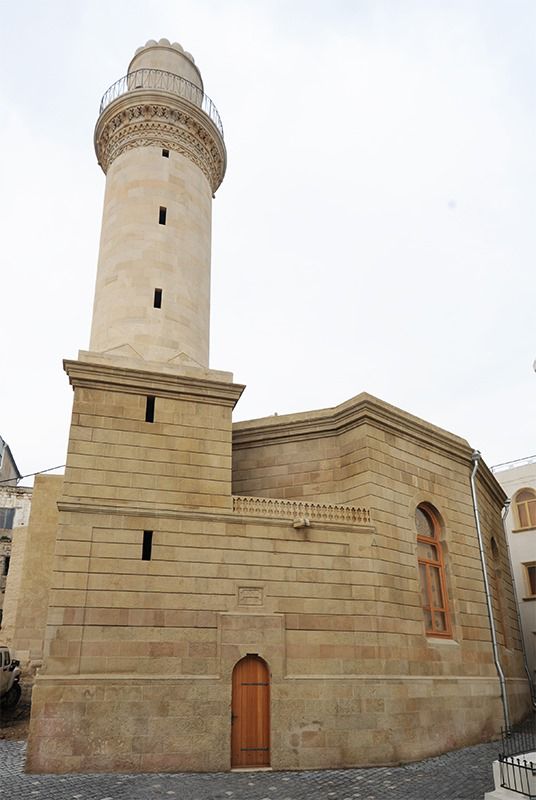
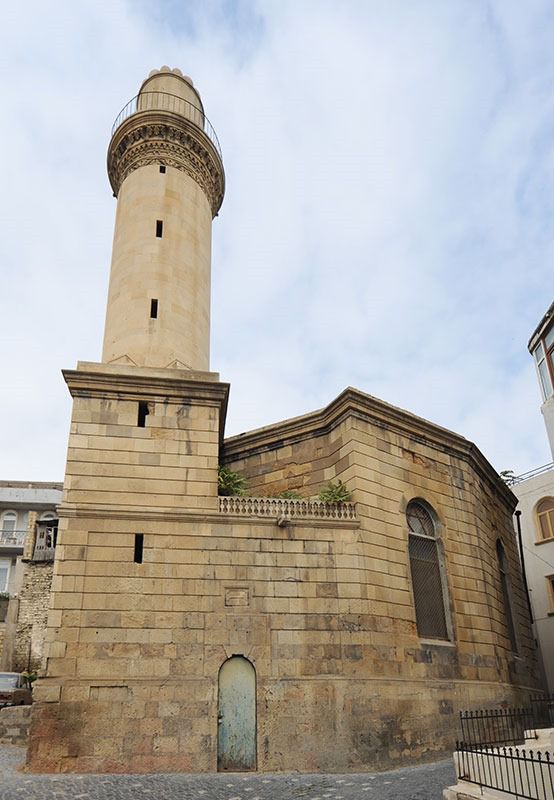
In 2014–2015, restoration and conservation works were carried out in the mosque in accordance with modern standards. According to the concept, new stones were added to the façade in areas where the original stones were fully deteriorated or missing; all masonry joints on the wall surfaces were reinforced with a special lime-based mortar. Damage caused by salt crystallization was reduced using a cellulose-based compress. Due to the correction of the improper slope of the adjacent street, the impact of underground seepage water on the building was prevented. Open joints, subsidence cracks, areas affected by algae and moss, as well as damaged and discolored sections, were filled with a special restoration mortar adapted to the texture of Absheron sandstone. The restoration was successfully completed, and the monument was subsequently museified in accordance with its intended function. Today, the exhibition “Sacred Relics” is displayed here, featuring ancient Qurans and religious manuscripts.
The Administration of the “Icherisheher” State Historical-Architectural Reserve conducts restoration and conservation activities in the Old City based on the Master Plan prepared by an international team of experts with the organizational support of UNESCO.
From 17 to 21 October 2010, the Administration organized an international seminar titled “Application of the ‘Historic Urban Landscape’ Approach in the Conservation and Development of Icherisheher Heritage.” Alongside local specialists, distinguished international experts of the UNESCO World Heritage Centre representing the USA, Finland, the Netherlands, Italy, Spain, the United Kingdom, France, Poland, Austria, and Australia participated in the seminar.
In addition, to enhance the knowledge and skills of local specialists in restoration and conservation, the Administration, in cooperation with the German company Remmers and the Austrian company Atelier Erich Pummer GmbH, organized four seminar series under the program “Theoretical and Practical Foundations of Restoration,” focusing on “Analysis of Construction Structures.” Local restorers gained hands-on experience with modern restoration methods and technologies.
Today, modern restoration techniques are applied to ensure the authenticity and durability of historical architectural monuments. Considering the history of urban development, scientific research is carried out on fragments and remaining parts of many monuments that play an important role in the spatial ensemble of the area. Based on the results, the restorer uses hypothesis (an expert scientific interpretation) and analogue (a comparable reference example) to accurately identify and restore the verified elements of the structure, thus recreating its original appearance. The main aim of restoration is to revive the ancient structure and reveal the uniqueness of the monument. The most effective way to present this uniqueness to residents and visitors is through museification. In Icherisheher, monuments are museified in various forms based on their level of significance. This serves as a key instrument for conveying the history of the ancient city.
World-significant monuments are fully museified and dedicated entirely to the monument itself (Maiden Tower, Palace of the Shirvanshahs, Muhammad Mosque). Monuments of national significance are partially museified and adapted into independent functional sites (caravanserais, mosques, bathhouses). In monuments of local significance, mixed museification is applied, bringing together various exhibition complexes (particularly in residential buildings of the 19th–20th centuries). The monuments and museums of Icherisheher serve the public and play an important role in shaping social awareness and studying historical reality.