Activity
Restoration and conservation works
Juma Mosque

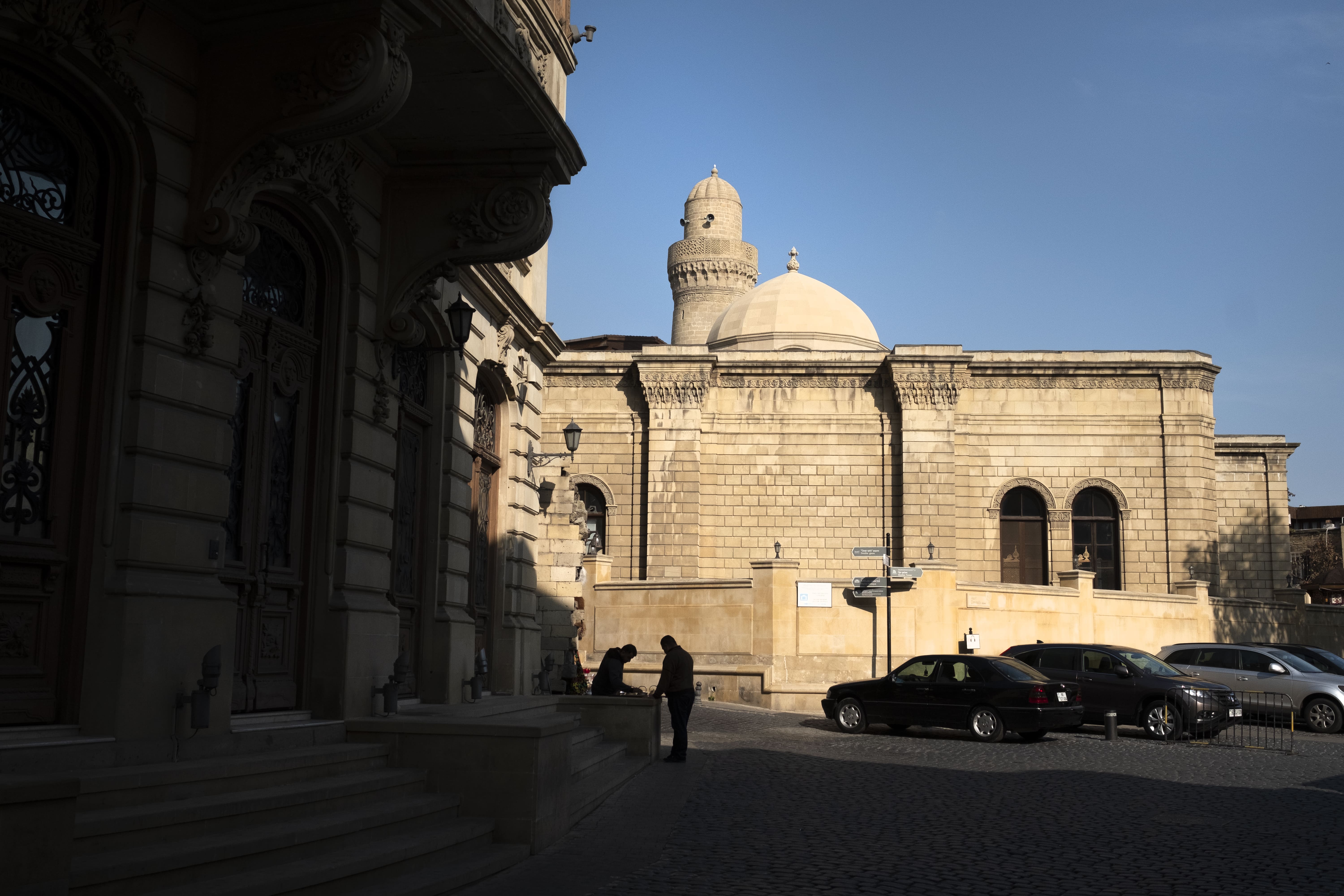
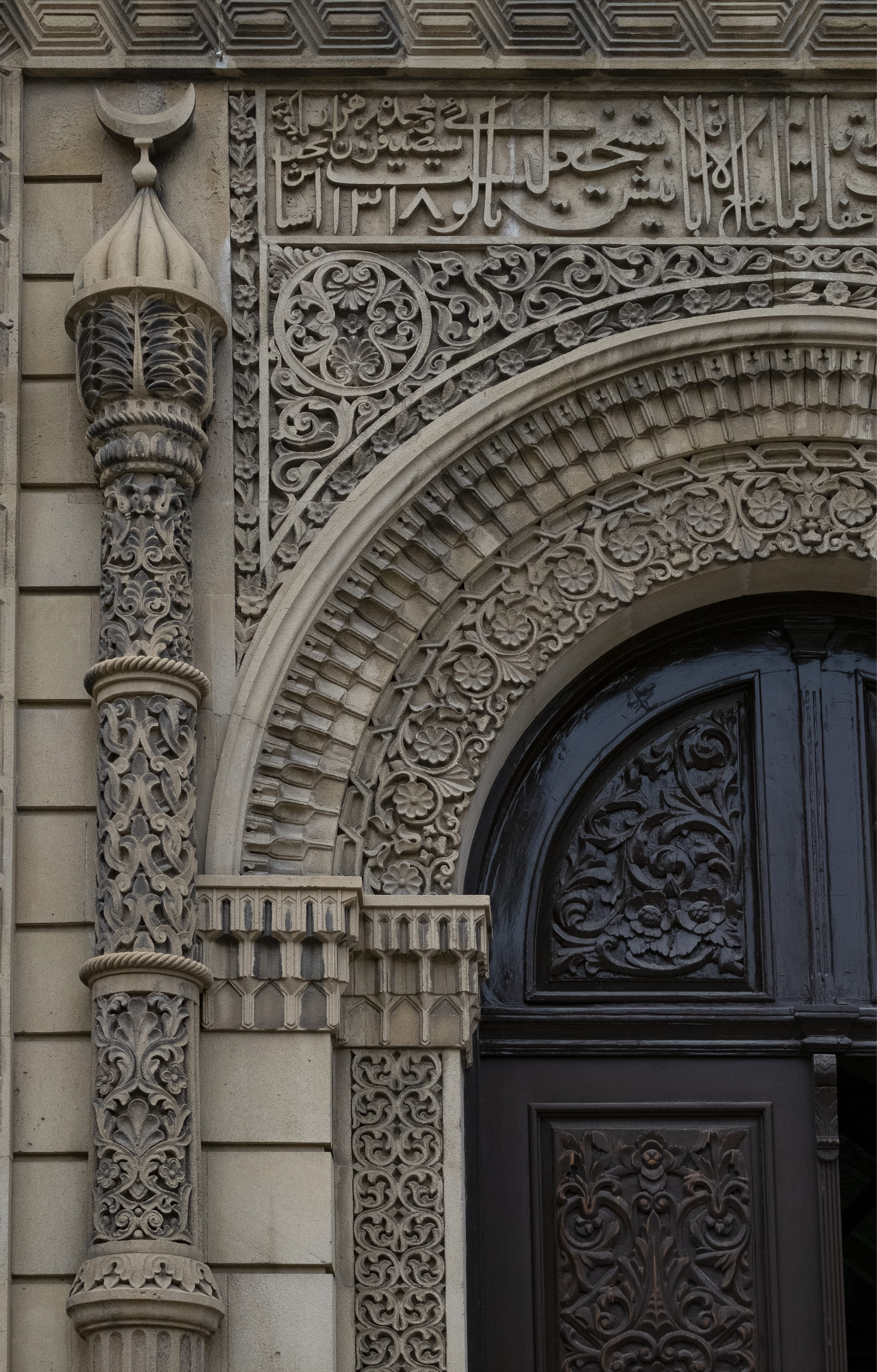
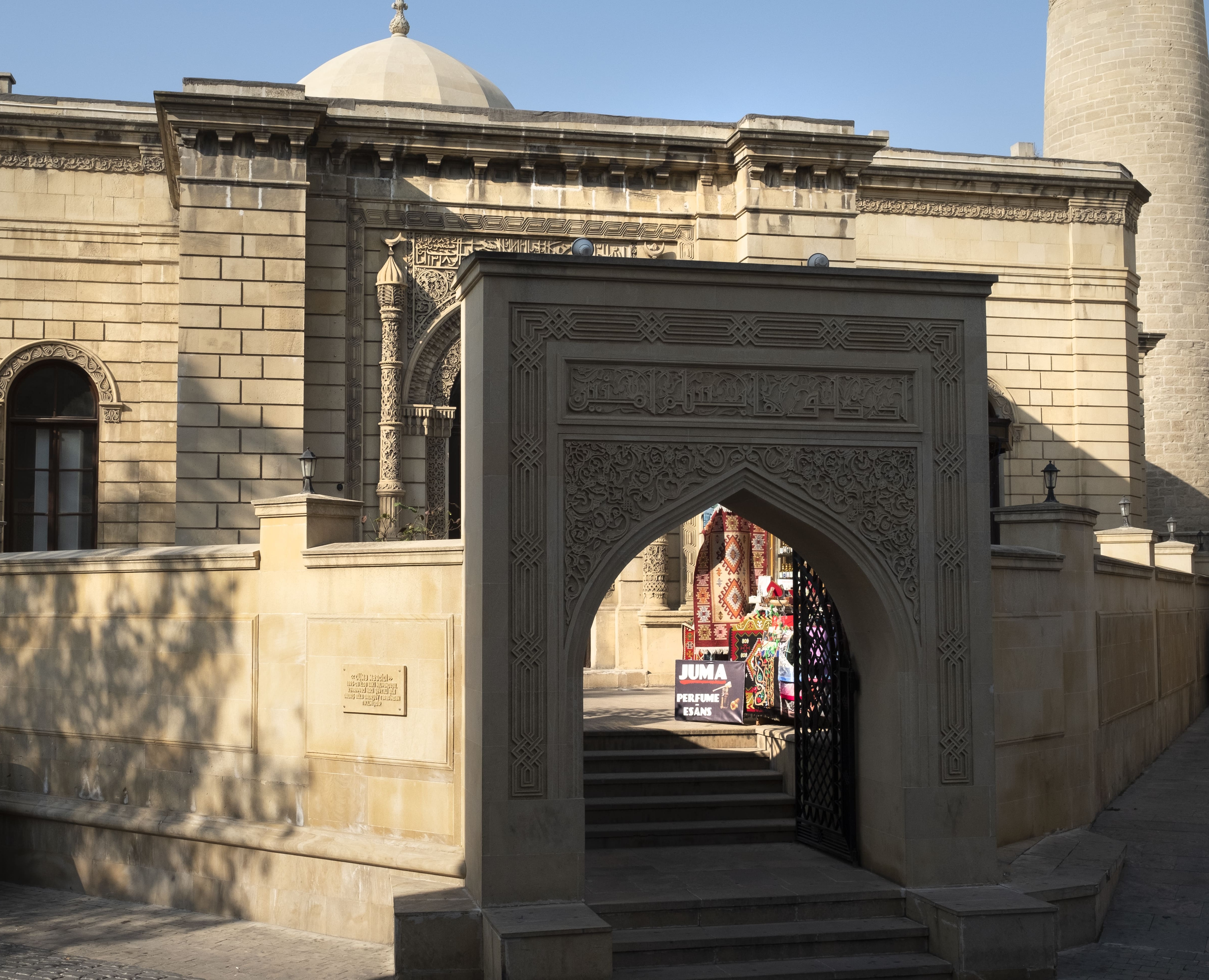
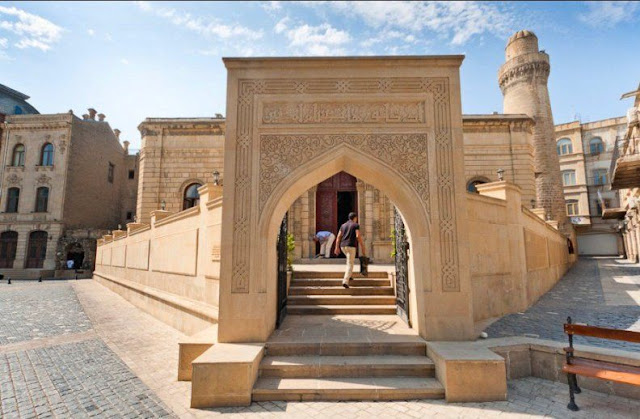
In 2016, the minaret of the Juma Mosque, built of Absheron limestone and dating back to the 15th century, underwent restoration and conservation. Detailed research revealed numerous significant damages caused by time and environmental impact. The dome of the minaret and the balustrade of its balcony were in an emergency condition. During the restoration, lost sections of the wall surface were reconstructed, and the areas surrounding the dome and the balcony (sherefe) were strengthened. The balustrade elements of the balcony were also reconstructed. The restoration was completed successfully, and the minaret was put back into service.
The Administration of the “Icherisheher” State Historical-Architectural Reserve carries out restoration and conservation efforts in the Old City based on the Master Plan developed by an international expert team with the organizational support of UNESCO.
From 17 to 21 October 2010, the Administration organized an international seminar titled “Application of the ‘Historic Urban Landscape’ Approach in the Conservation and Development of Icherisheher Heritage.” Along with local specialists, distinguished experts of the UNESCO World Heritage Centre representing the USA, Finland, the Netherlands, Italy, Spain, the United Kingdom, France, Poland, Austria, and Australia participated.
In addition, to enhance the knowledge and skills of local specialists in restoration and conservation, the Administration, in cooperation with the German company Remmers and the Austrian company Atelier Erich Pummer GmbH, organized four seminar series within the program “Theoretical and Practical Foundations of Restoration,” focusing on “Analysis of Construction Structures.” Participants gained practical experience in applying modern restoration techniques and technologies.
Today, modern restoration methods are used to ensure the authenticity and longevity of historical architectural monuments. Taking into account the history of urban development, scientific research is conducted on fragments and remnants of numerous structures that play a significant role in the ensemble of the area. Based on research results, restorers use hypothesis (a professional scientific interpretation) and analogue (a comparable sample) to restore the verified parts of the monument and recreate its original appearance. The main purpose of restoration is to revive ancient structures and reveal their uniqueness. The most effective way to present this uniqueness to locals and visitors is the museification of monuments. In Icherisheher, monuments are museified in various forms depending on their level of significance, serving as an essential instrument for communicating the history of the ancient city.
Monuments of world importance are fully museified and dedicated exclusively to the monument itself (Maiden Tower, Palace of the Shirvanshahs, Muhammad Mosque). National monuments are partially museified and adapted into independent functional sites (caravanserais, mosques, bathhouses). In locally significant monuments, mixed museification is applied, bringing together various exhibition complexes (especially in residential buildings of the 19th–20th centuries). The monuments and museums of Icherisheher serve the public, contribute to the formation of social awareness, and play an important role in studying historical reality.